
Private blood testing · Plymouth
Private Blood Testing in Plymouth, With Results You Can Understand
Arrange private blood tests at Erme Clinic with straightforward pricing, prompt laboratory results and the option of a doctor review.
Choose an in-clinic blood draw or, where suitable, an at-home testing kit. Same-week appointments are available for many tests, helping you get answers without unnecessary delay.
Book a blood testExplore common tests
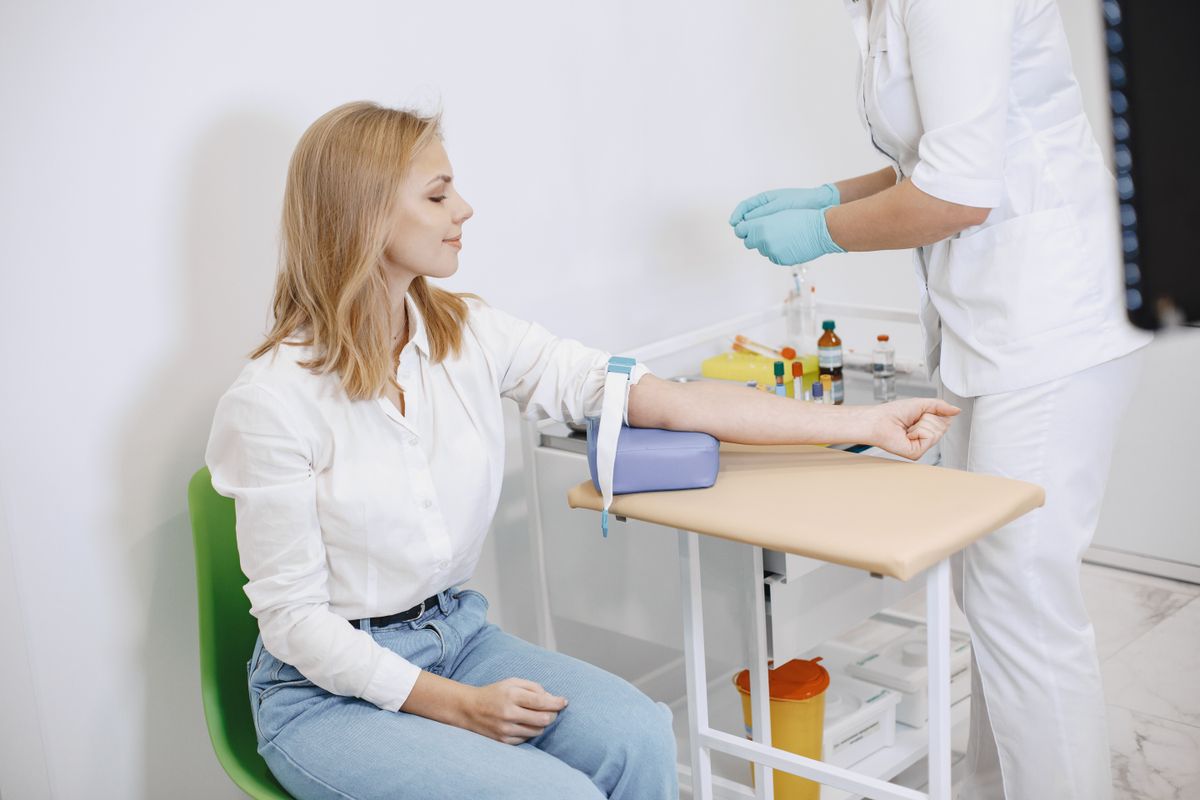
Understanding your results
What can a blood test tell you?
Blood tests can provide useful information about how different systems in the body are functioning. The markers below are some of the tests commonly included in health checks and targeted investigations.
This guide is designed to make the terminology easier to understand. It is not a complete list, and a single result should always be interpreted in context alongside your symptoms, medical history and other findings.
01
Choose your tests
Select a general health panel or targeted markers based on what you want to investigate.
02
Provide your sample
Attend the clinic for phlebotomy, or use a suitable home kit where that option is available.
03
Review your results
Receive your report and add a doctor review if you would like the findings explained in clinical context.
Common blood-test groups
Key markers and what they are used to assess
Liver function tests
Albumin is a protein made by the liver. It helps maintain fluid balance and carries substances such as hormones, medicines and nutrients through the bloodstream.
Alkaline phosphatase (ALP) is found mainly in the liver and bones. Changes in ALP can be associated with liver, bile-duct or bone conditions.
Alanine aminotransferase (ALT) is an enzyme that can rise when liver cells are irritated or damaged.
Gamma-glutamyl transferase (GGT) can increase with several forms of liver or bile-duct stress and may also be influenced by alcohol intake and medicines.
Globulins are a group of proteins involved in immune function, clotting and transport. Abnormal levels can occur in a range of inflammatory, liver, kidney and immune conditions.
Bilirubin is produced as red blood cells are broken down. Higher levels may cause jaundice and can be associated with liver, gallbladder or blood-related conditions.
Lipids and cholesterol
Total cholesterol is the overall amount of cholesterol measured in the blood. It includes LDL and HDL cholesterol.
LDL cholesterol is often described as “bad” cholesterol because higher levels can contribute to fatty deposits in arteries. HDL cholesterol helps transport cholesterol away from tissues and is generally considered protective when interpreted as part of the overall cardiovascular picture.
Triglycerides are another type of blood fat used for energy storage. Persistently raised levels may be associated with increased cardiovascular and metabolic risk.
Thyroid function
Thyroid-stimulating hormone (TSH) is produced by the pituitary gland and helps control the thyroid. It is commonly measured alongside thyroxine (T4) and, in some cases, triiodothyronine (T3).
These markers help assess thyroid function and may support investigation of an underactive thyroid (hypothyroidism) or overactive thyroid (hyperthyroidism).
Full blood count (FBC)
Red blood cells (RBCs) carry oxygen around the body. Their number and size can help identify patterns seen in anaemia, dehydration and some blood disorders.
Haemoglobin (Hb) is the oxygen-carrying protein inside red blood cells. Low levels are commonly associated with anaemia, while raised levels can occur with dehydration or other conditions.
Haematocrit (Hct) describes the proportion of your blood made up of red blood cells.
White blood cells (WBCs) are part of the immune system. Higher or lower counts can occur with infection, inflammation, medicines and a range of other conditions.
Platelets, eosinophils and lymphocytes
Platelets help the blood clot. A low or high platelet count can be associated with bleeding, clotting, inflammatory and bone-marrow conditions.
Eosinophils are white blood cells involved in allergic responses and defence against some parasitic infections. Raised levels can also be seen in certain inflammatory conditions.
Lymphocytes are white blood cells central to immune defence. Their levels can change in response to infections, immune activity and some blood disorders.
Kidney function tests
Creatinine is a waste product produced by normal muscle activity and removed from the blood by the kidneys. A rise can occur when kidney filtration is reduced, although muscle mass and other factors also affect the result.
Sodium is an electrolyte needed for fluid balance and normal nerve and muscle function. Abnormal levels can reflect changes in hydration, kidney function, hormones or medicines.
Urea is produced when the body breaks down protein and is removed by the kidneys. Levels can be influenced by kidney function, hydration and dietary factors.
Want to check a specific marker?
Choose the blood tests that match your health goals.
Whether you are looking at general wellbeing, hormones, nutrients, metabolic health or a specific concern, we can help you identify an appropriate testing option.
Individual markers
Other tests you may see on a blood panel
These markers may be included within broader health checks or requested individually depending on the clinical question.
eGFR
Estimated glomerular filtration rate is a calculated estimate of how effectively the kidneys are filtering the blood. It is commonly derived from creatinine together with factors such as age and sex, according to the laboratory method used.
HbA1c
HbA1c reflects average blood glucose exposure over roughly the previous two to three months. It is widely used in the assessment, diagnosis and monitoring of diabetes.
PSA
Prostate-specific antigen is a protein produced by prostate tissue. A PSA blood test measures the level in the bloodstream. Results require careful interpretation because PSA can rise for several reasons and is not, by itself, a diagnosis of prostate cancer.
Vitamin D
Vitamin D supports bone health, calcium absorption and normal immune function. It is produced in the skin in response to sunlight and is also obtained from some foods and supplements.
Zinc
Zinc is a mineral involved in immune function, wound healing, cell growth and the metabolism of proteins and carbohydrates.
Folate
Folate is a B vitamin required for DNA synthesis, cell division and normal red blood cell production.
Ferritin
Ferritin is a protein that stores iron. Measuring ferritin provides useful information about the body’s iron reserves, although levels can also be affected by inflammation and illness.
SHBG
Sex hormone-binding globulin (SHBG) is made mainly in the liver and binds hormones including testosterone and oestradiol. SHBG levels influence how much hormone is available to tissues and can vary with age, body composition, liver health and other medical factors.
Total testosterone
Total testosterone measures testosterone circulating in the blood, including hormone bound to proteins such as SHBG and albumin as well as the small free fraction.
Free testosterone
Free testosterone refers to the small proportion of testosterone that is not bound to SHBG or albumin and is therefore more readily available to tissues.
Luteinising hormone (LH)
LH is released by the pituitary gland. In men, it stimulates the testes to produce testosterone; in women, it plays an important role in the menstrual cycle and ovulation.
Follicle-stimulating hormone (FSH)
FSH is produced by the pituitary gland. It contributes to sperm production in men and to follicle development and reproductive function in women.
Oestradiol
Oestradiol is a form of oestrogen present in both women and men. It contributes to reproductive function, bone health and several other physiological processes.
Cortisol
Cortisol is produced by the adrenal glands and is involved in the body’s stress response, blood glucose regulation, blood pressure and immune function. Interpretation depends heavily on the time of day and the reason for testing.
Take a clearer look at your health
Useful information. Clearer next steps.
Private blood testing can help you explore general wellbeing, nutritional status, hormones, metabolic health and specific clinical questions.
Choose the tests that are relevant to you, receive your laboratory report, and add a doctor review if you would like help understanding what the results mean and whether further assessment is appropriate.
Frequently asked questions
What to know before your blood test
Do I need to fast?
Not always. Many routine health panels do not require fasting, while some lipid, glucose or specialist tests may have preparation requirements. We will tell you if fasting is needed for the tests you book.
How quickly will I get my results?
Many routine results are available within a few days, although turnaround varies by test and laboratory workload. We will let you know when your report is ready.
Can a doctor explain my results?
Yes. You can add a 30-minute doctor review when booking or arrange one after your results are available. The review can help put individual markers into context and identify sensible next steps.
Does a blood test give me a diagnosis?
Not necessarily. Blood results provide clinical information, but diagnosis depends on the wider picture, including symptoms, medical history, examination and sometimes further tests. Discuss concerning or unexpected results with an appropriate clinician.
Can I exercise before a blood test?
For some markers, strenuous exercise can temporarily affect the result. If your panel includes exercise-sensitive tests, such as creatine kinase (CK), you may be advised to avoid heavy training for around 24 hours beforehand.
Why are blood tests useful?
Blood tests can help screen for, investigate or monitor a wide range of issues, including anaemia, infection, diabetes, liver and kidney function, nutritional deficiencies and hormone changes. They can also be used to monitor treatment or medication.
How is a blood sample taken?
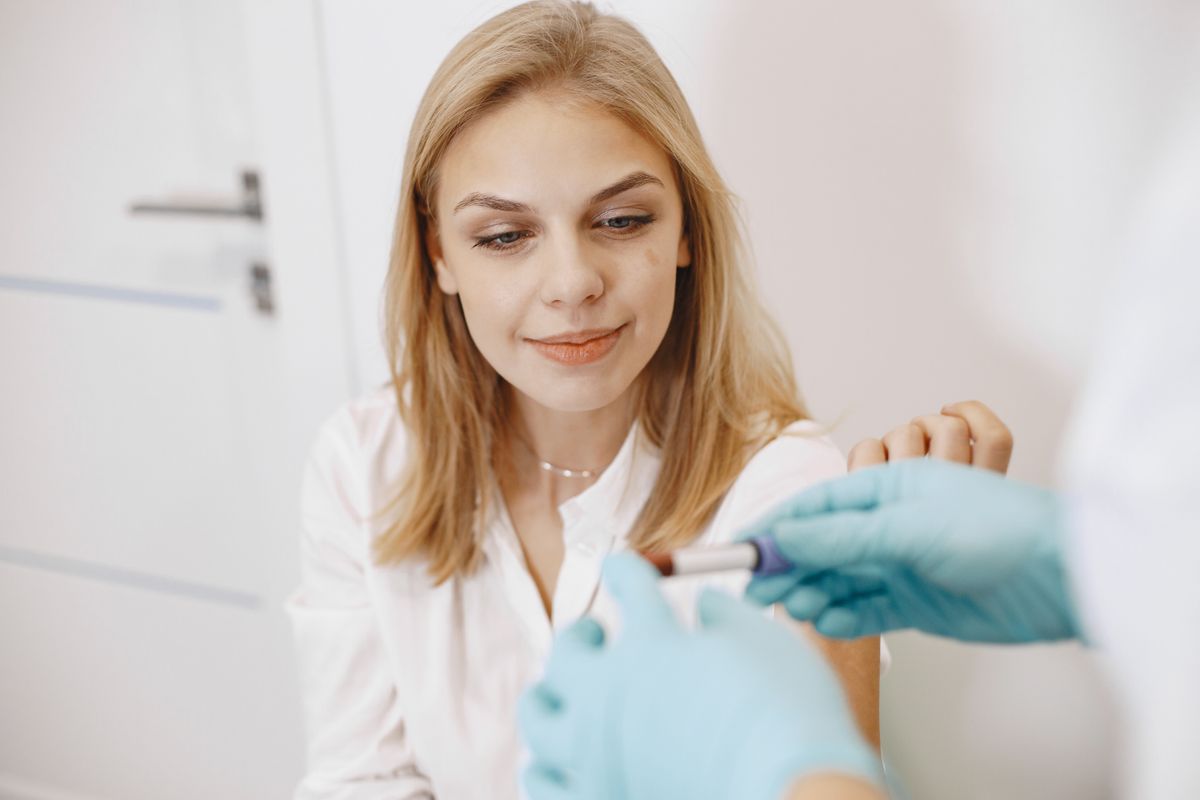
For an in-clinic venous blood test, a healthcare professional cleans the skin, places a small needle into a vein—usually in the arm—and collects the required sample into one or more tubes. The samples are then sent to a laboratory for analysis.
Are blood tests painful?
Most people feel only a brief scratch or stinging sensation. If you are anxious about needles or have previously felt faint during blood tests, tell the clinician before the procedure so they can make you as comfortable as possible.
Why can turnaround times differ?
Some tests are processed routinely, while specialist markers may be analysed less frequently or sent to another laboratory. This means results can return at different times even when samples are taken together.
Private blood tests · Erme Clinic
Ready to arrange your test?
Book a private blood test in Plymouth and choose the testing option that best matches your needs. If you are unsure which panel is suitable, contact the clinic before booking.
Clinical note: The information on this page is general guidance and does not replace personalised medical advice. Reference ranges and the significance of individual results vary between laboratories and depend on your clinical circumstances.